The Galapagos: Islands of Misconception
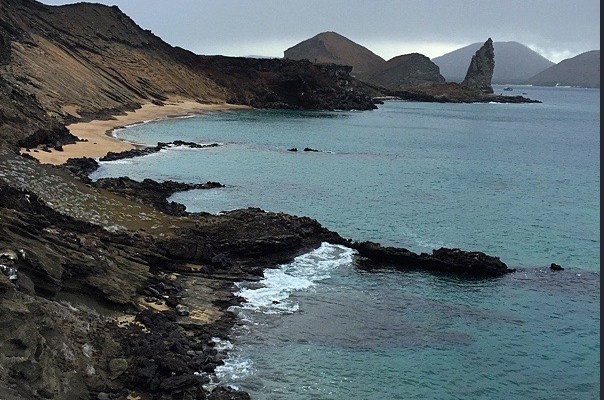
Time for a word association game: GALAPAGOS ISLANDS :
- Darwin
- Evolution
- Turtles
- Wildlife
- Diversity
Those were the first 5 words that I thought of when thinking of the Darwin’s islands. It’s the birthplace of evolution! The epitome of biodiversity. Well, I think something went wrong in my education at some point, because my perception and reality were entirely different. Shocking!
To start, and one of the first things our guide told us, ‘Darwin only spent 5 weeks on the Galapagos, compared to months spent in Peru and Argentina.’ Well, he at least studied all of the creatures and helped solidify his theory. Not exactly. He studied finches and only visited 4 of the 13 islands. Still, he was there and did write the theory of Evolution. But, I always thought it was because of the Galapagos. Misconception 1.
Misconception 2: A tour of the Galapagos, would surely include a visit to see the famous Galapagos Turtle. I already told all of my friends that I would be seeing a horse sized turtle. That dream was shattered as the guide told us they would not be included in our 4 day tour. “Ummm, am I the only one that ASSumed that a tour of the Galapagos would include the turtles. We just spent a day looking at volcanic rock. I want to see a god damn Dinosaur!” Seriously, how do they not know what the biggest attraction is? The guide wouldn’t budge.
We discovered that there are in fact turtles on the island we would be departing from. However the official itinerary would include a tour of the ‘Information Center’ and a 4 hour wait in the lobby of the airport. Or, we could commission a taxi and go see the turtles. Decision time, information center OR giant turtles. Has there ever been a building named ‘Information Center’ that you have wanted to visit? I mean, I love pamphlets and booklets as much as the next guy.
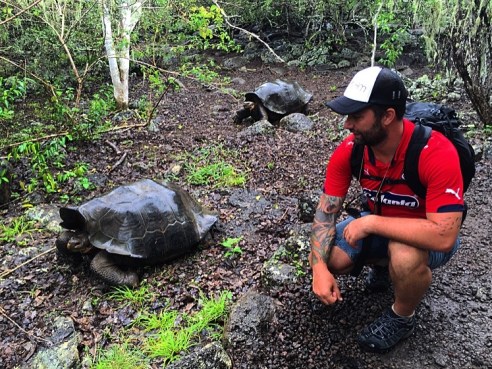
In the end, we decided to ditch the tour and take a taxi to the turtles. And, they were amazing! They grow up to 600 lbs and can live up to 100 years. Apparently, they are also quite delicious as they were hunted to near extinction by humans. Hunted might be a strong word, as these slow moving reptiles move at about 1 mph and can maintain that lightning-fast pace for nearly one minute straight. Then, they need a long break.
The turtles, receive human protection and are active members of a decades long breeding program. Here, they are held safely in captivity until they are 6 years old and ready for the wild. The major problem they face is human-introduced mammals. Rats and Cats, which hunt and eat the baby turtles before their shells have a chance to harden. I’m grateful I got the chance to see these endangered creatures.
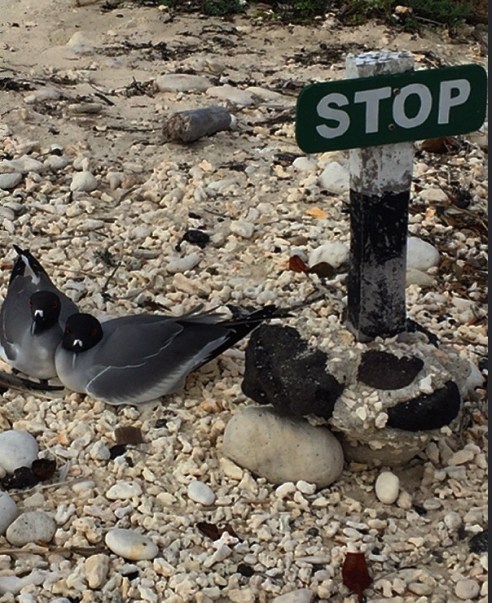
Which, brings me to misconception 3. Diversity. I was under the impression that the wildlife at Galapagos could not be seen anywhere else in the world. Endemic species, or species that exist nowhere else in the world. Technically, that’s true. The Galapagos has many endemic species. However, the difference could be, slightly thicker legs. Or pinned ears. As an amateur biologist, it was difficult to tell. There are sea lions that are endemic, but, we only saw one. Compared to the dozens of common sea lions we saw. Not that those were not amazing to see. It’s just a point that needs to be made. There are blue footed and red footed boobies on the islands. Well, these can also be seen up and down the coast of South America. The Galapagos have just small feature adjustments. In addition, we saw very little of the endemic species and very much of the common species.
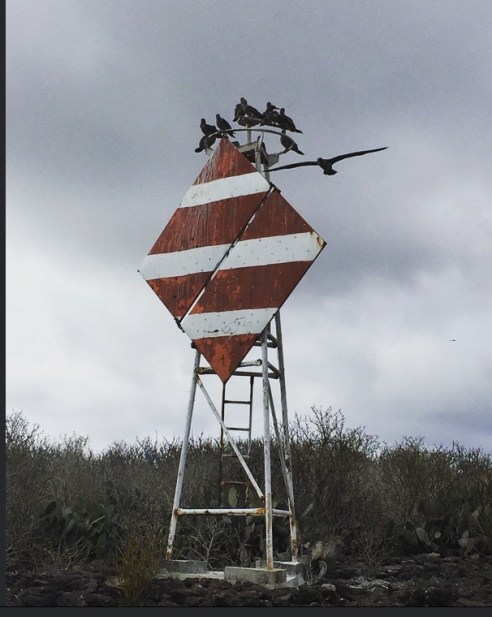
Proceeding to misconception 4, that the Galapagos is teeming with life. Well, no. In fact, most of the Galapagos is volcanic rock. Empty of any life, save for bacteria, or a few plants or lizards. Most of the wildlife tours consisted of spotting a few animals. And, typically they are so well camouflaged that you can barely see them. The Galapagos Islands are not a paradise teeming with life. They are a barren archipelago, covered in rock and swept by wind and the sea.
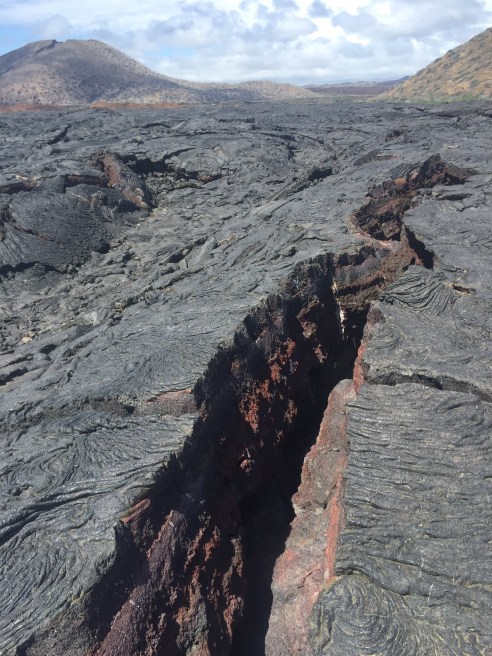
After 4 days of learning what the Galapagos isn’t, I started to absorb what they are. They are a sign of the miracle of life. Life should not exist on the Galapagos. But, to quote Jurassic Park and Jeff Goldblum :’Life will find a way.’
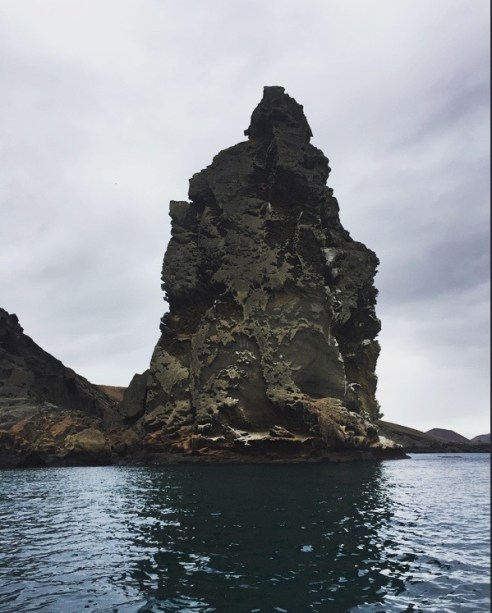
Birds, wind, tides delivered carried seeds. Pioneering plants took root in the volcanic rock. Lizards, reptiles and sea lions were carried by massive driftwood piles floating through the sea. (Some driftwood islands have been discovered at over 7 square kilometers!) And life followed. Slowly and delicately. Sometimes it failed, but, it always came back. It adapted and evolved and adapted again. And, that is what you see in the Galapagos. A place that should be dead, and resilient creatures that have made it their home.
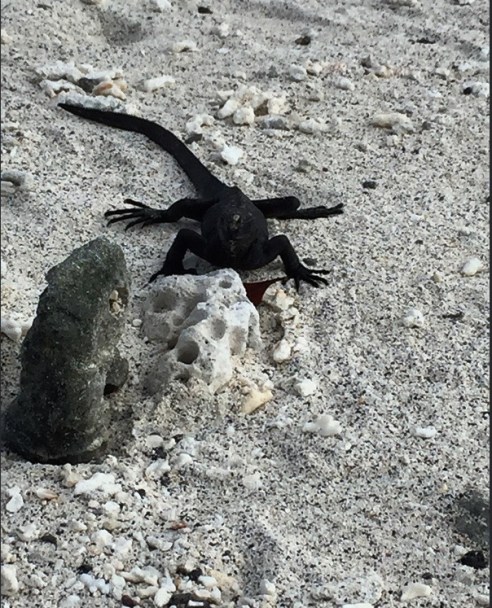
So, don’t go dreaming of an endless stream of wildlife. Or witnessing never before seen creatures. Go with an admiration of life and how it persists even the harshest of conditions. But, maybe book a tour that takes you to see turtles.

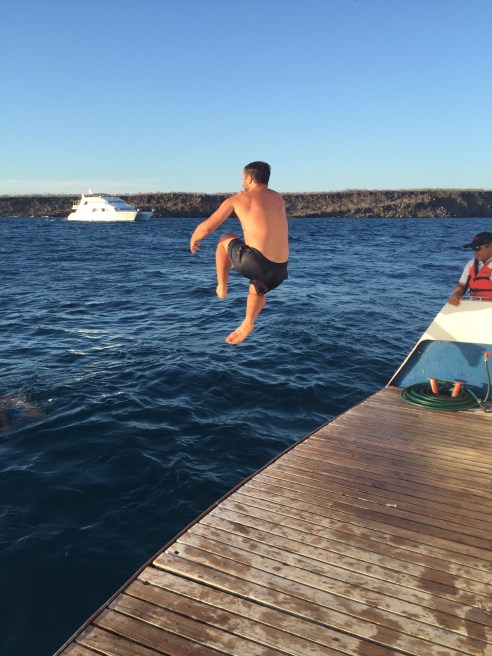
 #timtears
One Response to “The Galapagos: Islands of Misconception”
Nice post, and it was great meeting you guys. I’ve subscribed to the blog now so will enjoy reading about the rest of your trip. It’s a shame that a whole day of your cruise was on the bare lava island – the others we visited afterwards were similar to Genovesa. Still pretty barren but with similar amounts of wildlife. I think the best parts overall were the snorkelling.
We’ve put up our post too, here: https://joke-around.blogspot.com/2015/12/galapagos-islands-enchanted.html
Stay in touch and let us know if you want any advice for further south!
LikeLike